A life cut short on the Blue Line
Iryna Zarutska stepped onto the late-night Blue Line at Scaleybark station, a few miles south of downtown Charlotte, like any other commuter. Dressed in khaki pants and a dark shirt, her long blonde hair tucked under a Zepeddie’s Pizzeria cap, the 23-year-old picked an empty row and lowered her gaze to the phone in her hand. A refugee from Ukraine who had escaped war, she had chosen the train as a routine shortcut toward a new life in the United States.
A few seats behind her sat Decarlos Brown. Four minutes after the train departed, he reached inside his clothing and produced what witnesses later described as a knife. For a heartbeat it looked as if nothing would happen — he glanced out the window — then he sprang forward, reached across the seat and stabbed Zarutska. She clutched her face and throat before collapsing. Passengers rushed to help, but she died on the train from her wounds. Brown was arrested and charged with first-degree murder.
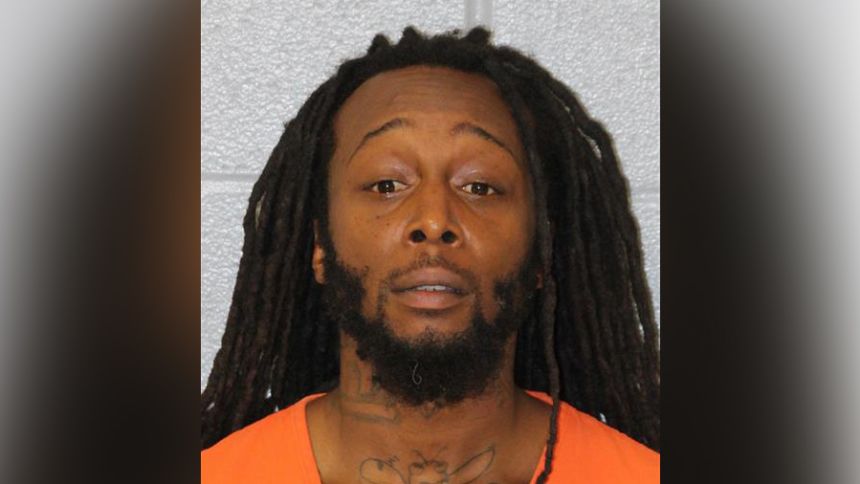
Decarlos Brown faces a murder charge in connection with the killing of Iryna Zarutska.
The video of the attack, and Brown’s lengthy criminal record — including prior convictions for armed robbery, larceny and breaking and entering — drew immediate political attention. Conservative leaders and the Trump administration seized on the killing as evidence of a crime wave they argue afflicts many Democrat-run cities, invoking the incident while justifying proposed deployments of federal forces to other U.S. cities. President Donald Trump called Brown a “career criminal” on Truth Social, and urged a return to stricter law-and-order approaches.
Local leaders and Brown’s relatives offered a different emphasis: they pointed to systemic failures. Charlotte’s mayor and members of Brown’s family argued the tragedy was also the result of a legal and mental-health system that had not prevented Brown’s return to the community despite his criminal past and longstanding mental-health struggles.
A bright, quiet young woman
Those who knew Zarutska describe someone who found joy in small, steady things. Her family said she had an “artist’s gift” — she had studied art and restoration in Kyiv and often made pieces as gifts. She liked being at home with those she loved and had a gentle, caring way with animals: she tended neighbors’ pets and dreamed of becoming a veterinary assistant.
Zarutska left Ukraine in August 2022, six months after Russia’s invasion, fleeing daily bombardments and the constant fear for her life. She relocated to North Carolina with her mother, sister and brother, enrolled at Rowan-Cabarrus Community College, and began building a life in Charlotte’s South End, an area that has grown livelier since the light rail opened in 2007. She worked at Zepeddie’s Pizzeria and was learning to drive — though for now she rode the train.
Friends and family remembered her smile, her calm presence and the ordinary routines of a young woman pushing toward independence when her life was violently ended on a commuter train.

In August, 23-year-old Iryna Zarutska lost her life after being stabbed aboard a Charlotte light rail train.
A history of struggle
Brown’s family painted a portrait of a man battling mental illness and instability for years. Homeless and at times shelter-dependent, he had served more than five years in prison for robbery with a dangerous weapon. After his 2020 release, his sister said, he was markedly different: withdrawn, sometimes aggressive, and suffering from hallucinations and paranoia.
Incidents escalated over time. Family members recounted a violent episode with his sister in 2022 and multiple encounters with police related to delusions — including claims that a government-implanted chip controlled his actions. Earlier in the year of the killing, he was charged with misuse of 911 after officers concluded his complaints were medical in nature. Court records indicate one of his recent releases came with a written promise to appear for a future hearing; critics have since argued that conditional releases like that left him free and vulnerable rather than treated.
Video from the train shows Brown fidgeting and unsettled in the minutes before the attack — nodding, rocking, pulling his hood up, then snapping into action. After his arrest, family members said he told them he believed Zarutska was reading his mind; his sister said he had told her previously that voices and persecution had overwhelmed him. “I knew he was battling something,” she said.
Two lives, and a system’s fractures
The tragedy forced multiple, painful reckonings. For Zarutska’s family and friends, the loss is a devastating reminder that someone who fled violence abroad can still meet violence here. For Brown’s relatives, it is proof of a failing system: mental-health needs that went unmet, legal levers that failed to hold — or help — him. For politicians, the incident became a symbol in a broader argument about public safety.
Whatever the lens through which people view the killing, what remains is a young woman who will not return home, a family shattered, and a community grappling with how to prevent future collisions of untreated mental illness, criminal behavior and public safety gaps.